cooking · dessert
Tiramisù Icebox Cake
From a video by ChefSteps · 16 min watch
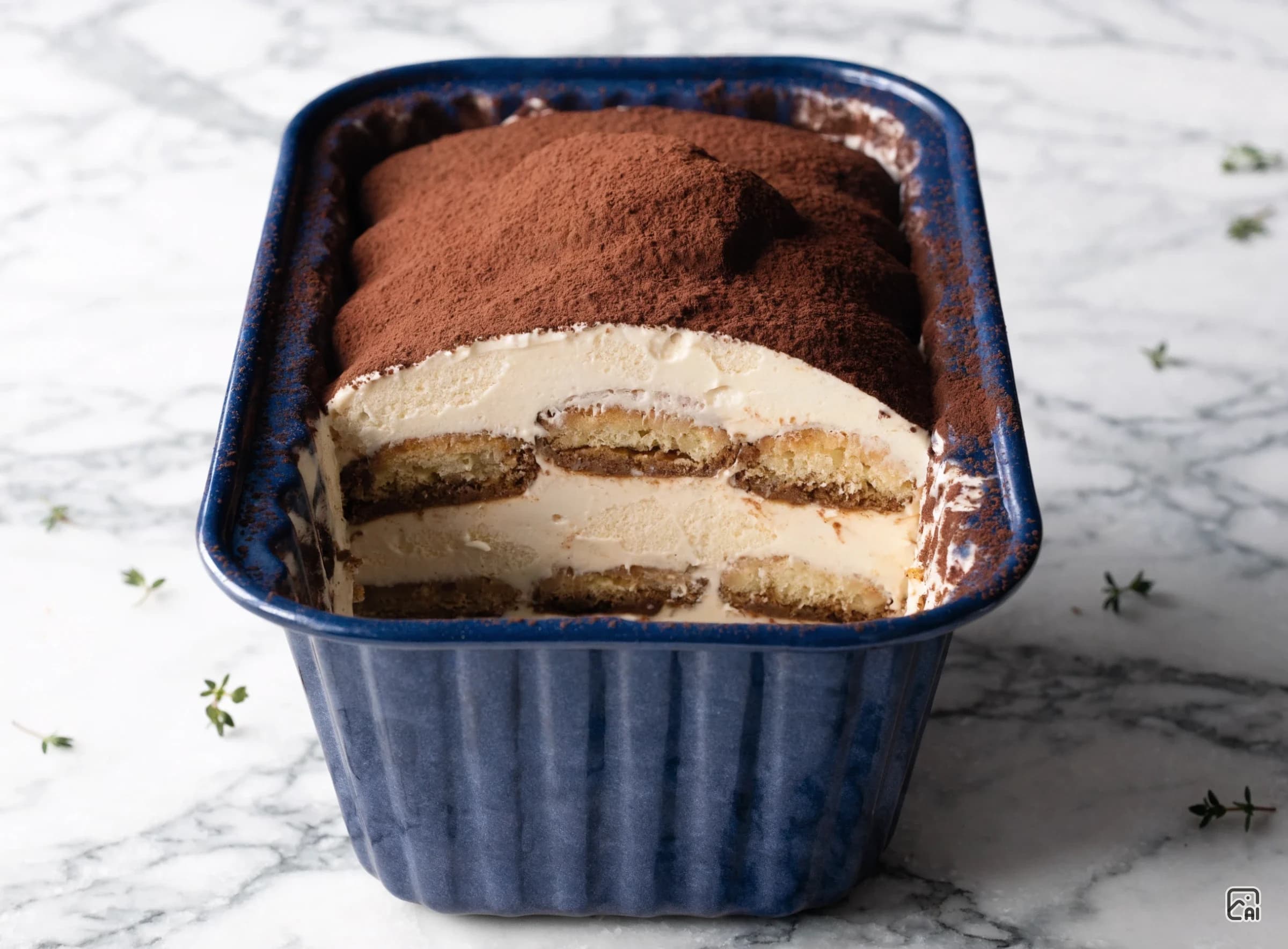
A stabilized tiramisù icebox cake made with espresso-soaked ladyfingers layered with a zabaglione-enriched mascarpone cream. The addition of gelatin and xanthan gum creates a firm yet airy texture that slices cleanly without weeping, while still maintaining the classic tiramisu flavor profile of coffee, cocoa, and creamy mascarpone.
dessertno-bakeicebox cakeItalian-inspired
Source video — ChefSteps on YouTube
From the creator
Total time
24 hours+
Hands-on
30 minutes
Servings
~8 servingsEstimated by Unreel from the complete recipe.
Difficulty
HardEstimated by Unreel from the recipe steps — the creator didn't state this.
Extraction confidence: high
Auto-generated from the video and rewritten in our own words. Double-check quantities against the source before cooking.
Ingredients
Ingredients scaled to 8 servings
- 4 shots espresso
- sugar
- salt
- Marsala wine
- Marsala wine
- gelatin
- sugar
- salt
- 6 yolks egg yolk
- mascarpone cheese
- heavy cream
- sugar
- xanthan gum
- ladyfinger cookies
- cocoa powder
Preparation
- Step 1 · 145°F / 63°CPrepare the coffee syrup by combining four double shots of espresso with sugar, a little salt, and Marsala wine. The Marsala adds caramel notes and fruity flavor. Set aside until ready to soak the ladyfingers.
- Step 2 · 145°F / 63°C · 10 minutesSet up a bain-marie with about 1 quart of water in a 3-quart pot. Add Marsala and gelatin to a bowl and whisk until dissolved. Add sugar, salt, and six egg yolks. Cook over the steam, whisking gently at first to keep the mixture moving without incorporating too much air. As it thickens, whisk more vigorously. Scrape down the sides periodically. Cook until the zabaglione reaches 145°F, is very ribbony, and has increased significantly in volume. Remove from heat and let rest for 10 minutes to allow temperature to drop before folding into mascarpone.
- Step 3 · 90°F / 32°CPlace cold mascarpone in a bowl and spread it out to create surface area. Do not beat the mascarpone as it can warm up and break. Fold in the warm zabaglione in three stages, adding about a third at a time. The temperature difference (mascarpone from fridge, zabaglione around 90-95°F) will help soften the mascarpone. Continue folding until mostly combined, preserving the air whipped into the zabaglione. A few small lumps are acceptable.
- Step 4 · 145°F / 63°CStart with very cold heavy cream from the fridge. Combine xanthan gum with sugar to help disperse the xanthan evenly and prevent clumping. Add to the cold cream and whip to medium peaks—stop before reaching stiff peaks since the cream will be further agitated during folding and piping, which will whip it more. The xanthan hydrates and makes the cream extra silky, resembling Italian meringue.Doneness — medium peaks
- Step 5 · 145°F / 63°CFold the whipped cream into the mascarpone mixture in three stages, starting with about a third. Hold the bowl at a 45° angle, scoop under, and lift over to fold. The mixture will develop a beautiful marshmallow taffy texture. Add the remaining whipped cream and fold until most streaks are gone. Load approximately 300 grams into a piping bag for each of the three layers.
- Step 6 · 145°F / 63°CLine a Pullman loaf pan with parchment paper, leaving overhang to act as a sling. Dip the matte bottom side of each ladyfinger into the coffee syrup and place upside down in the pan, spacing them a millimeter or two apart to allow for expansion. Use 90g of syrup for six ladyfingers. After dipping, gently pour remaining syrup over each cookie to ensure even absorption. Pipe the mascarpone cream into all corners first, tamp down to remove air pockets, then spread an even layer. Give the pan a couple firm taps to settle the cream.
- Step 7 · 145°F / 63°C · 8 hoursRepeat the layering process: soak another layer of ladyfingers in coffee syrup, place in pan, and spread with mascarpone cream. Add a third layer of soaked ladyfingers and finish with a final top layer of mascarpone cream. Smooth the top with an offset spatula or bowl scraper. Transfer to the refrigerator to rest for a minimum of 8 hours, preferably 24 hours. During this time, the coffee syrup continues to penetrate the ladyfingers completely, and the gelatin and fat firm up as the dessert chills, allowing for clean slicing without weeping.
- Step 8 · 145°F / 63°CRun a knife along the sides of the pan to release the tiramisu. Use the parchment sling to carefully lift it out. Slice between the cake and parchment to release completely. Dust the top generously with cocoa powder. For clean slices, soak a knife in hot water before each cut—the warm knife slices through the rich, high-fat dessert like butter, producing beautiful glossy portions that showcase the layered ladyfingers and cream.
Notes
- Use a Moka pot as an alternative to espresso machine for the coffee base
- Dip the matte/bottom side of ladyfingers into coffee syrup and place upside down in pan
- Soak ladyfingers for the exact measured amount of syrup to avoid soggy or dry results
- Keep mascarpone cold (fridge temperature) when folding to prevent breaking
- Under-whip the cream slightly since it will be further agitated during folding
- Soak knife in hot water before slicing for clean, glossy cuts
- The tiramisu firms up as the fat chills, allowing for clean slices without plopping
- 24 hours in the fridge is optimal; minimum 8 hours required